
Looking for recent messages to students?
Think you may have missed a recent announcement or undergraduate newsletter? We've got you covered.
Get Started
Explore resources, recent messages and other important information about our university.
Aaron Dinin to Deliver Keynote Address at 2024 Duke Jewish Baccalaureate Ceremony
Jewish Life at Duke is delighted to announce that Professor Aaron P Dinin will deliver the 2024 Duke Jewish Baccalaureate Ceremony keynote address.
Duke Jewish Medical Students Association Established
The Jewish Medical Students Association (JMSA) was officially recognized by the Davison Council, the student government organization for the Duke Doctor of Medicine program, as…
A Bloody Good Time on Valentine’s with the CSGD
April 8th, 2024 This February, the Center for Sexuality and Gender Diversity (CSGD) at Duke University embarked on a remarkable journey to reimagine Valentine’s Day,…
DukeGroups Event Feed
Senior Sharing
April 20, 2024
11:00am — 2:00pm
An event to send off our beloved seniors; to honor and hear their stories before they leave.
Switch out of Study Mode: MarioKart and Super Smash Bros
April 20, 2024
1:00pm — 2:00pm
Rev up your engines and prepare for an epic gaming showdown at Blue Devils United’s gaming party! Join us for a high-speed, action-packed afternoon filled…
Durham Rescue Mission Dinner
April 20, 2024
4:00pm — 6:00pm
Serving dinner at Durham Rescue Mission shelter.
Joshua Redman Group featuring Gabrielle Cavassa “Where Are We” Tour
April 20, 2024
8:00pm — 10:00pm
11-time Grammy nominated saxophonist and composer Joshua Redman is one of today’s foremost contemporary jazz artists. Raised in a musical home, Redman released his first…
JOSHUA REDMAN GROUP FEATURING GABRIELLE CAVASSA “WHERE ARE WE” TOUR
April 20, 2024
8:00pm — 10:00pm
11-time Grammy nominated saxophonist and composer Joshua Redman is one of today’s foremost contemporary jazz artists. Raised in a musical home, Redman released his first…
Christians On Campus Sunday Gathering
April 21, 2024
10:00am — 12:30pm
Join us for Sunday worship and message
BRUNCHANE
April 21, 2024
11:00am — 1:00am
Keohane Quad hosts bi-weekly themed brunches with special guests/foods/entertainment!
BRUNCHANE
April 21, 2024
11:00am — 1:00pm
Keohane Quad hosts bi-weekly themed brunches with special guests/foods/entertainment!
Bagel Brunch with Jewish Life at Duke
April 21, 2024
11:00am — 1:00pm
Join us at Jewish Life at Duke for a relaxing Sunday morning of free bagels and time with friends!
Clays Day
April 21, 2024
11:00am — 3:00pm
Visiting Deep River Sporting Clays for our normal event
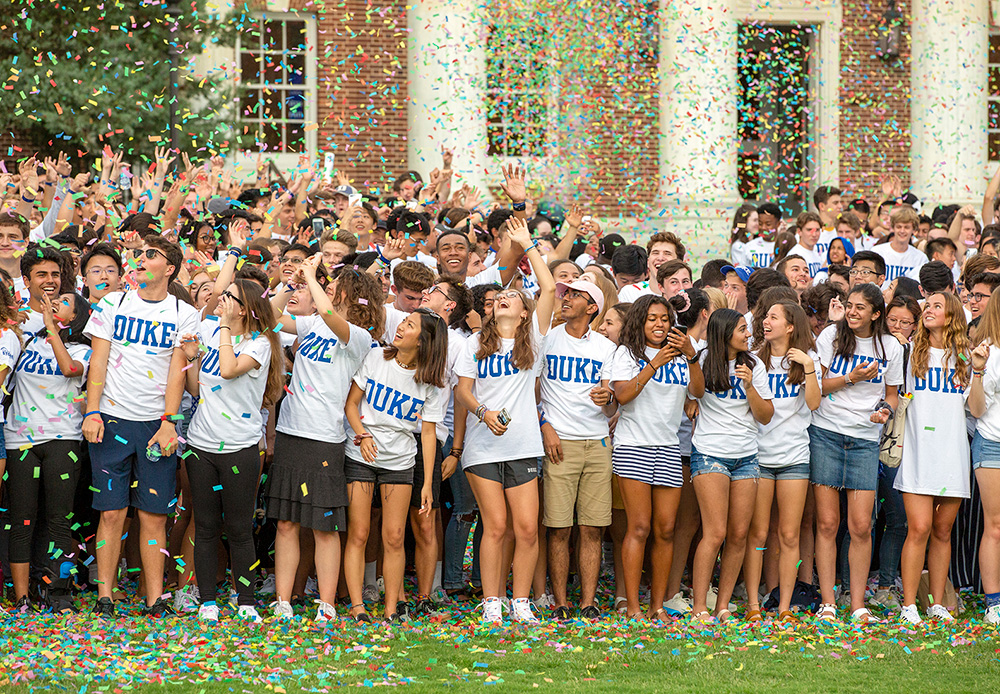
We’re so glad you’re here.
The Division of Student Affairs is critically engaged in supporting the holistic engagement and personal growth of all students who attend Duke. The Division collaborates with student leaders, faculty, families, community members and many others in the delivery of key services.
Our programs and services are designed to support holistic wellbeing, foster an inclusive and dynamic community, and complement Duke's commitment to academic excellence.
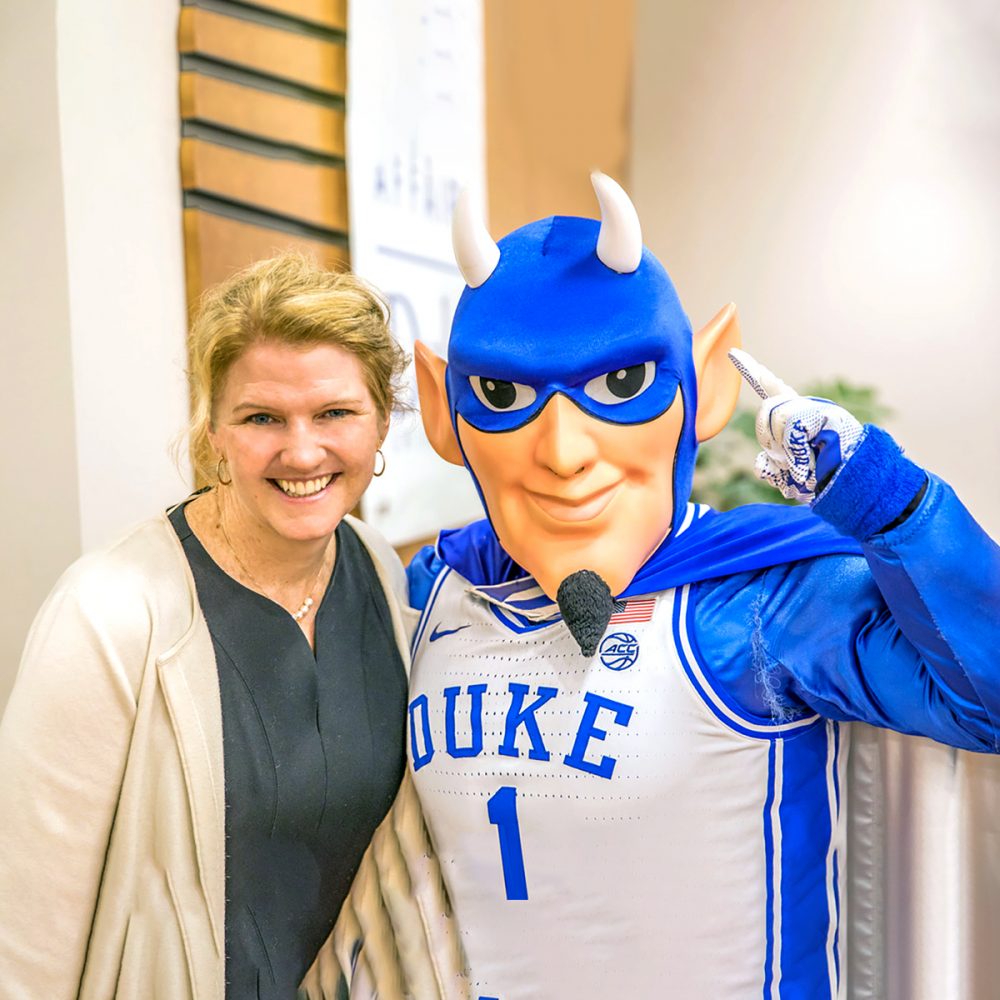
Welcome from the VP
The Division of Student Affairs supports over 16,000 Duke undergraduate, graduate and professional students and engages tens of thousands of visitors, families, and members of the Duke community every year. Our team includes more than 800 dining staff, 200 housekeepers, 100 clinicians and care providers, and scores of student development specialists, event coordinators, residential coordinators, career advisers and operations experts. We partner with student leaders and faculty on the Durham and Beaufort campuses throughout the calendar year.
Our primary job is to ensure Duke students have the resources and support they need to arrive at their classes and laboratories ready to engage in critical thinking and learning each day. We also help Blue Devils gain skills and insight about themselves and the world - and we take great pride in helping future leaders tackle obstacles, flourish, and make the most of their Duke experience. Through a wide range of programs and offices– from undergraduate new student and family programs to career advising, from venue management and the box office to QuadEx, student leader advising, and student-programs and initiatives in our Identity and Cultural Centers, we love being a part of our students’ individual journeys and fostering excellence across Duke.
We’re glad you’re here!
Yours,
 Mary Pat McMahon
Vice Provost and Vice President of Student Affairs